Currently Empty: $0.00

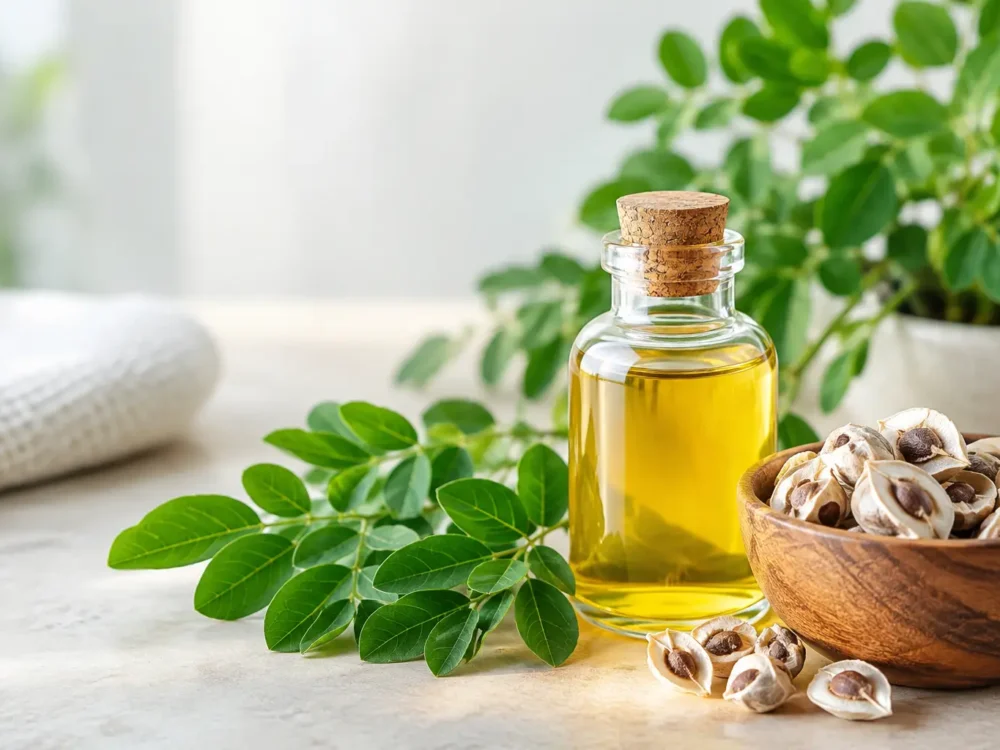
A bottle labeled “natural” does not automatically belong in every routine. Moringa oil safety comes down to the details: which part of the plant is used, whether the oil is intended for food or skin, how it is processed, and your own medications, health needs, and sensitivities.
Moringa seed oil, often called ben oil, has a long history of culinary and personal-care use. It is valued for its stable fatty-acid profile and lightweight feel on skin and hair. Still, traditional use is not a substitute for smart product selection or sensible use. Here is how to make moringa oil a confident, practical addition to your wellness routine.
What Moringa Oil Is – and What It Is Not
Moringa oil is typically pressed from the seeds of Moringa oleifera. It is not the same as moringa leaf powder, leaf tea, or concentrated leaf extracts. That distinction matters because research findings and precautions for one form of moringa do not automatically apply to another.
High-quality seed oil is generally rich in oleic acid, a monounsaturated fat also found in olive oil. In food, it can be used in small amounts for its mild flavor and heat stability. In skin and hair care, it is used as an emollient, meaning it helps soften the surface and reduce moisture loss.
Avoid treating moringa oil as a cure-all. It may support a simple beauty or food routine, but it is not a replacement for prescribed treatment, a balanced diet, or medical care.
Moringa Oil Safety Starts With the Right Product
The first safety decision happens before you open the bottle. Buy an oil that clearly states it is moringa seed oil and identifies whether it is for culinary use, topical use, or both. A cosmetic-grade oil should not be assumed safe to swallow. Likewise, an edible oil is not automatically the best choice for a leave-on facial product if it contains added fragrance or other ingredients.
Look for straightforward labeling, an ingredient list with no unnecessary fillers, and packaging that protects the oil from heat and light. Dark glass is a useful sign of thoughtful storage, though it is not a guarantee of quality on its own. Check the best-by date, storage directions, and whether the product has a fresh, neutral-to-nutty scent. A sharply rancid smell is a reason to discard it.
Cold-pressed, minimally processed moringa seed oil may appeal to shoppers who prioritize clean-label routines. However, “organic,” “natural,” and “pure” are quality cues, not permission to use more than needed. Purity supports a cleaner routine. It does not remove the need for allergy awareness or medication review.
Is Moringa Oil Safe to Eat?
For most healthy adults, food-grade moringa seed oil used in normal culinary amounts is generally considered a low-risk choice. Think of it as an oil for dressing, finishing, or occasional cooking rather than a supplement that needs aggressive dosing. Start small, such as a drizzle over vegetables or mixed into a dressing, to see how your body responds.
The key is to follow the label. If a product is sold as an edible oil, use it only as directed. If it is sold as a dietary supplement in softgel or capsule form, do not exceed the suggested serving simply because the ingredient is plant-based. Concentrated products can deliver much more than a typical food serving.
Digestive upset is possible with many oils, especially when taken on an empty stomach or in large amounts. Nausea, loose stools, stomach discomfort, or reflux are signs to reduce use or stop. If symptoms are persistent or severe, speak with a health professional.
Medication and Health Considerations
Research on moringa seed oil in supplement-level amounts is still limited. Moringa preparations more broadly may affect blood sugar or blood pressure in some settings, and this creates a reasonable caution point for anyone taking medication for diabetes, hypertension, or related conditions.
Talk with your physician or pharmacist before using ingestible moringa products if you take prescription medications, have a chronic medical condition, or are preparing for surgery. This is especially relevant if you use blood sugar-lowering drugs, blood pressure medication, blood thinners, or several supplements at once.
Pregnant or breastfeeding people should take extra care. Different parts of the moringa plant have different safety profiles, and safety data for concentrated moringa products during pregnancy and breastfeeding is not strong enough for casual experimentation. Ask your prenatal care provider before using moringa oil internally or as a supplement.
Is Moringa Oil Safe for Skin and Hair?
Moringa oil can be a practical option for dry ends, rough elbows, cuticles, or body skin that needs a richer finish. Its texture is often lighter than castor oil, so it may suit people who want conditioning without a very thick coating. Yet even a gentle-looking plant oil can trigger contact irritation or an allergic reaction.
Do a patch test before applying it widely. Place one or two drops of the diluted or ready-to-use product on a small area of skin, such as the inner forearm. Leave it on and monitor the spot for 24 to 48 hours. Redness, itching, swelling, burning, hives, or bumps mean the product is not a fit for you.
For the face, start with one or two drops over slightly damp skin or blend it into your usual moisturizer. More is not better. Overapplying any oil can feel heavy, transfer to bedding, or contribute to congestion for some acne-prone users. Skin responses vary, so let your own results guide the routine.
For hair, warm a few drops between your hands and smooth them through the mid-lengths and ends. If you have a sensitive scalp, dandruff, eczema, psoriasis, or an active rash, avoid applying it directly to irritated skin without guidance from a dermatologist.
Keep oil away from the eyes, and do not apply it to open wounds, sunburned skin, or areas showing signs of infection. Stop use promptly if irritation develops.
How to Build a Safer Moringa Oil Routine
A consistent routine does not need to be complicated. Start with one use, one product, and a small amount. That makes it much easier to identify what works and what does not.
If you are using food-grade moringa oil, introduce it as part of a meal rather than taking large spoonfuls. If you are using it topically, patch test first and apply it two or three times a week before deciding whether daily use suits your skin or hair. Avoid adding multiple new supplements and skincare products in the same week.
Store the bottle tightly closed in a cool, dry place away from direct sunlight. Heat, air, and light can degrade natural oils over time. Do not share a dropper or touch it directly to skin if the packaging is designed to dispense the oil without contact, as this can introduce moisture and bacteria into the bottle.
For a streamlined clean-label routine, choose products that make their intended use clear and fit the way you actually live. A quality moringa seed oil from a wellness-focused brand such as Sterling Nutrition can support convenience, but the best routine is still one you can use carefully and consistently.
When to Stop and Get Advice
Stop using moringa oil and seek medical advice if you experience trouble breathing, facial swelling, widespread hives, severe stomach pain, or ongoing vomiting or diarrhea. These symptoms may signal an allergic reaction or another issue that should not be managed at home.
For milder concerns, such as a few itchy spots after topical use or temporary digestive discomfort after trying an edible oil, pause the product and reassess. Do not try to push through a reaction in the hope that your body will “adjust.”
Moringa oil can earn a place in a thoughtful wellness routine, but safety is what makes that routine sustainable. Choose the right format, start with less, and let clear labeling and your body’s feedback set the pace.